
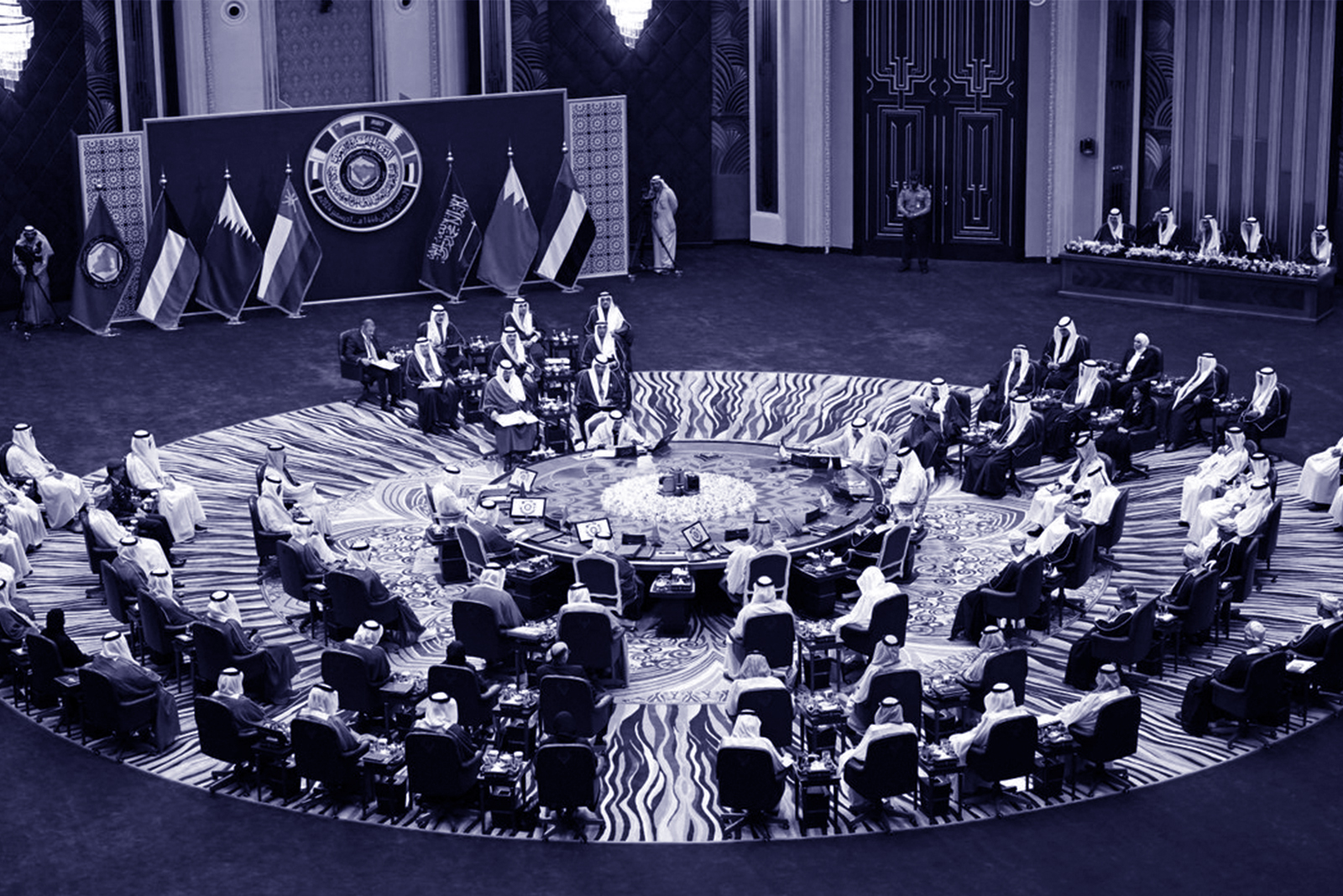
Working Group on Gulf Foreign Policy: Meeting III – Key Takeaways
Fiker Institute’s Working Group on Gulf Foreign Policy held its third meeting and discussed prospects for a negotiated settlement of the crisis.

Fiker Institute’s Working Group on Gulf Foreign Policy held its third meeting and discussed prospects for a negotiated settlement of the crisis.

As the war with Iran is entering its third month, the opportunities for a timely and long-lasting resolution of the conflict remain slim. Even though both the United States (US) and Israel have reduced the scope of their armed attacks in Lebanon and Iran, neither side appears willing to commit to a long-term ceasefire. Moreover, […]

Fiker Institute hosted the Director General of b’huth (Dubai Public Policy Research Centre) Mohammed Baharoon and Associate Professor of Political Science at NYU Abu Dhabi Adam Ramey to discuss what is at stake for Gulf security, shifting alliances, and the broader balance of power.

Fiker Institute hosted Senior Fellow Shurouq Jaradat for a lecture on fragmentation in the United Nations Security Council (UNSC). The lecture explored how the war in Ukraine has intensified tensions among the United Nations Security Council Permanent Five (P5) and how shifts in US policy under President Trump, particularly regarding Russia and Ukraine, have reshaped dynamics among the P5 and ultimately affected coordination with European allies.

Iran’s attacks against Gulf states, including threats to civilians and civilian infrastructure, must be condemned clearly and without hesitation. No country should have to live under the shadow of missile and drone attacks targeting its sovereignty, its people, or the systems that sustain daily life. Estonia quickly and unequivocally condemned Iran’s inexcusable attacks. It stands in […]

HE Dr Oleksandr Balanutsa, Ambassador of Ukraine to the UAE, discusses the UAE-Ukraine Comprehensive Economic Partnership Agreement.
Fiker Institute hosted the Director General of b’huth (Dubai Public Policy Research Centre) Mohammed Baharoon and Associate Professor of Political Science at NYU Abu Dhabi Adam Ramey to discuss what is at stake for Gulf security, shifting alliances, and the broader balance of power.
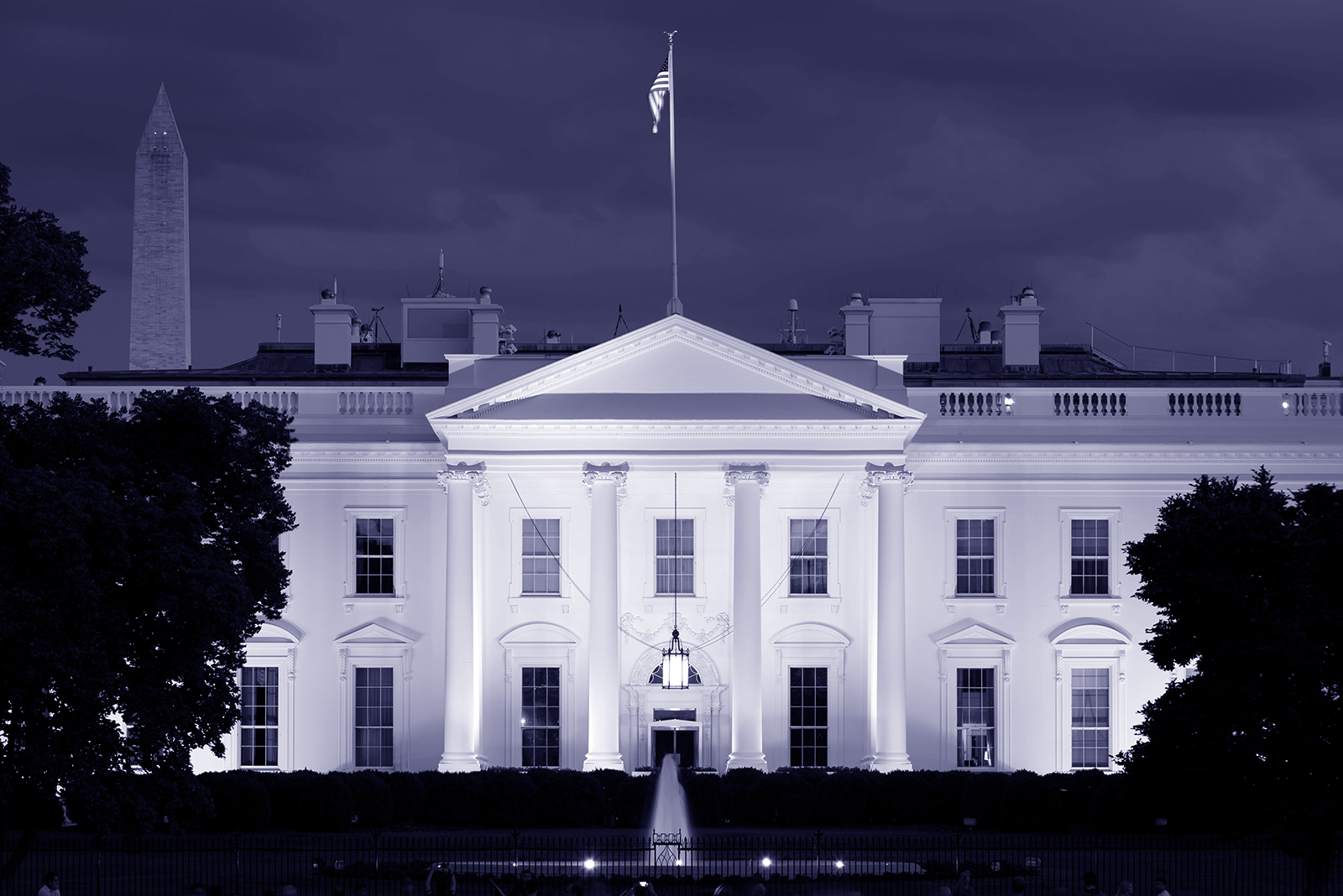
States are increasingly reverting to economic coercion in international politics. The sweeping use of sanctions and – particularly since President Trump’s second term in office – tariffs to influence other states is evidence of its growing salience. Economic coercion refers to the use of economic tools – specifically economic restrictions – to coerce a foreign government, actor, or entity […]
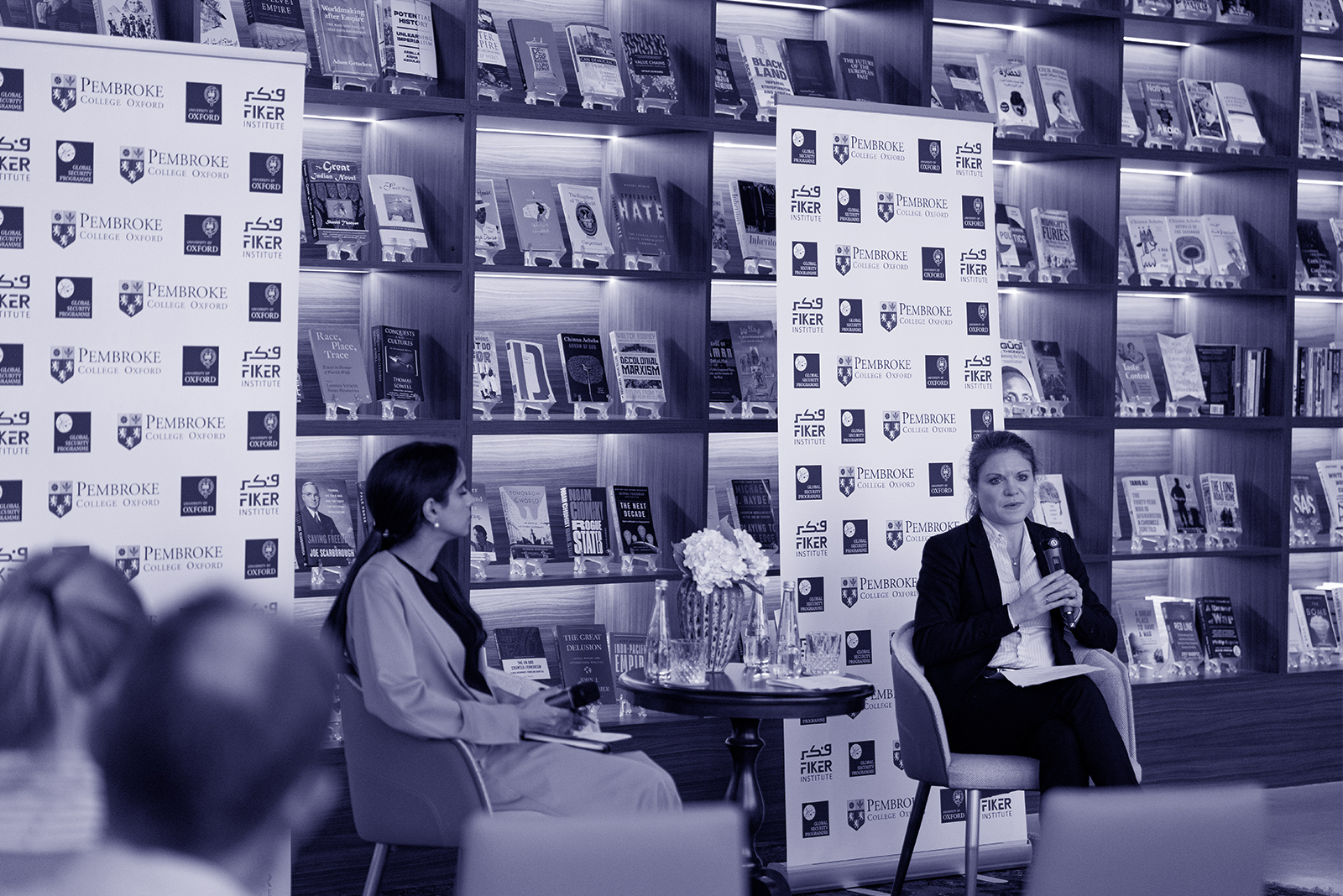
As part of the newly launched Memorandum of Understanding between Fiker Institute and the University of Oxford’s Global Security Programme, Fiker Institute hosted Dr. Annette Idler, Director of the Global Security Programme at the University of Oxford’s Pembroke College and Associate Professor in Global Security at Oxford’s Blavatnik School of Government, for a public lecture on the role of ceasefire in global security.

Libyan artist Asmahan Elfergani’s work is largely absent from the formal record of art history, but she is remembered in oral histories and private collections. This Essay seeks to establish a preliminary biography of the artist and her work as it endures through homes, conversations, and the quiet persistence of remembrance.
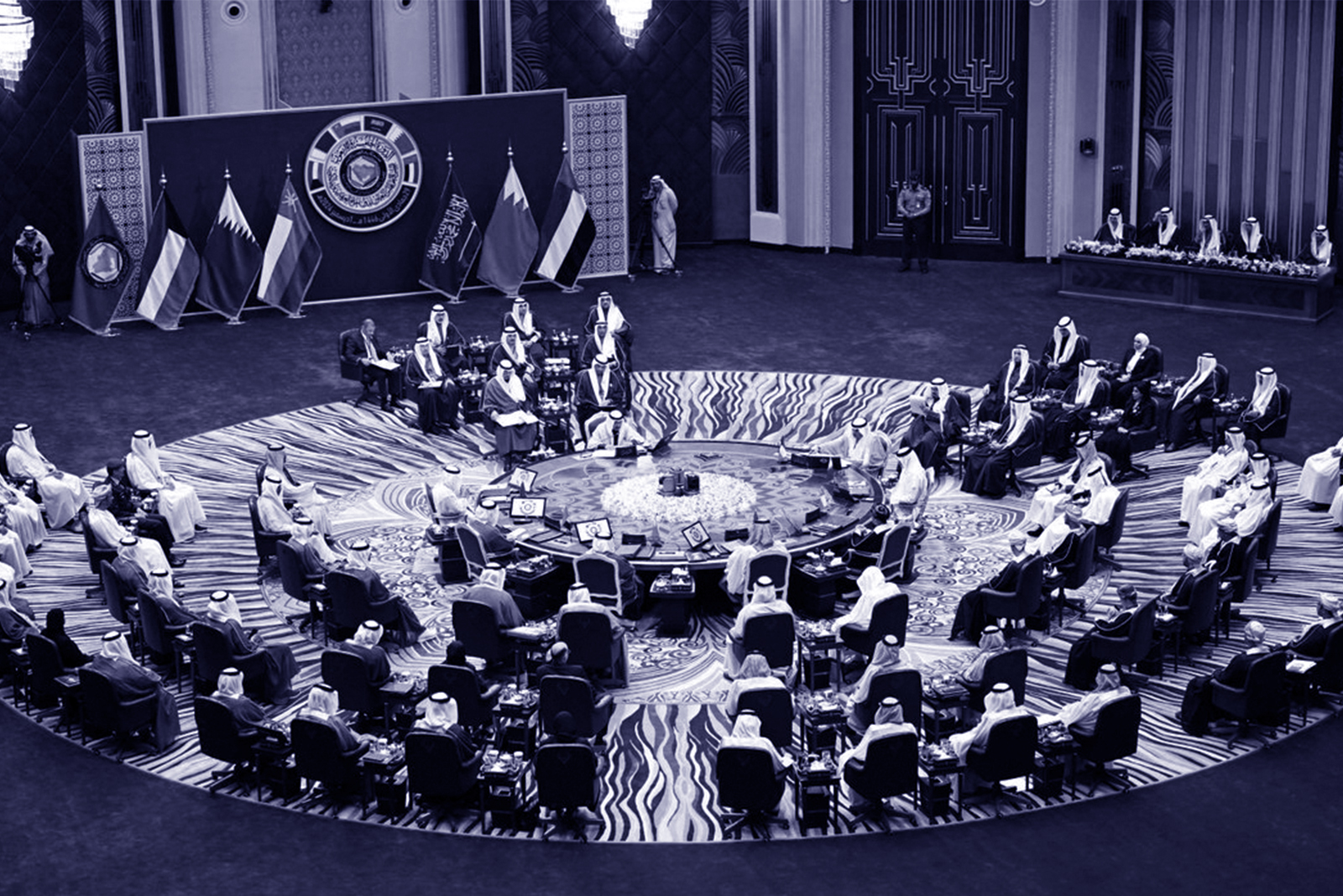
Fiker Institute’s Working Group on Gulf Foreign Policy held its second meeting and discussed the implications of the ceasefire announcements and the ongoing Strait of Hormuz crisis.
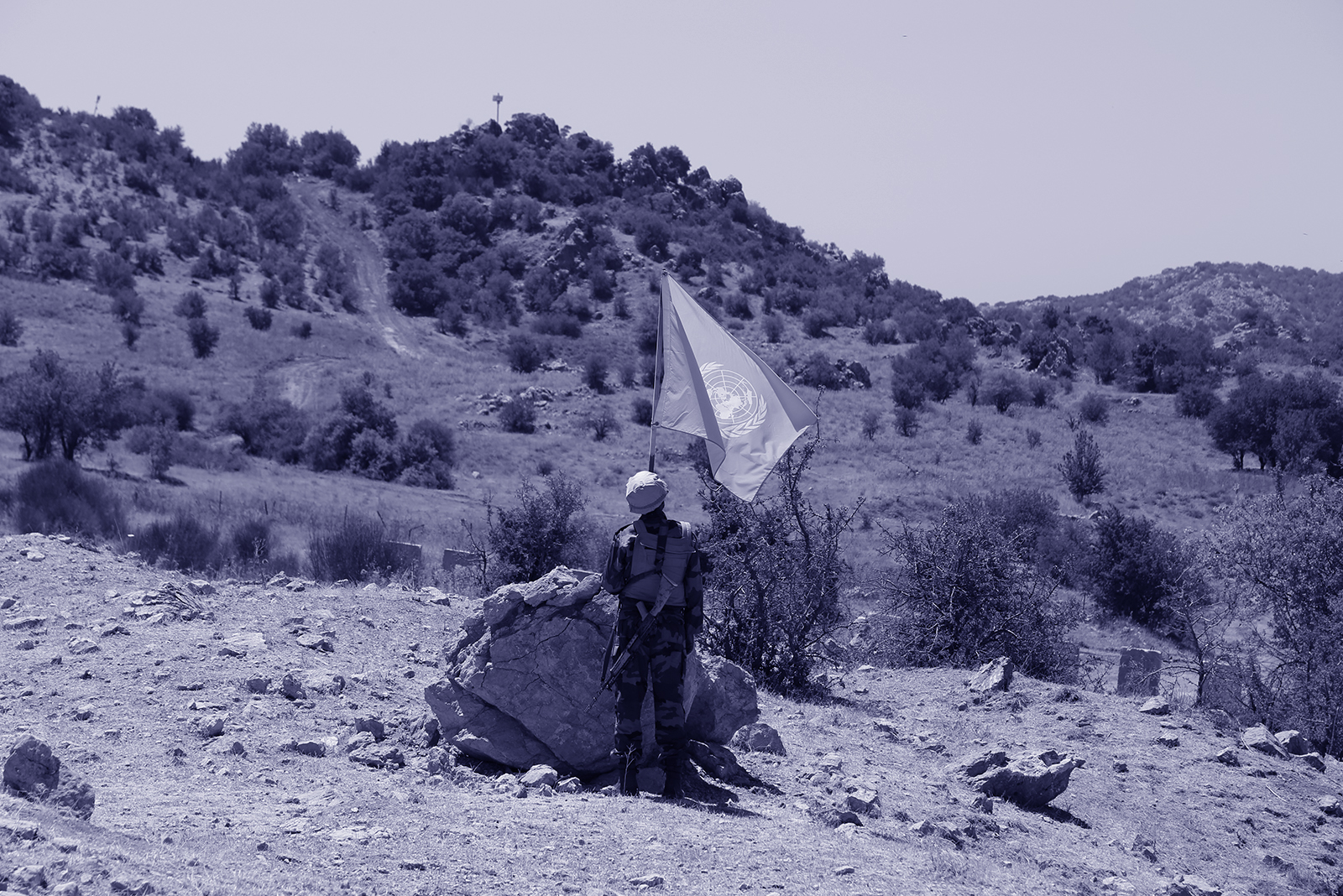
The architecture of ceasefire governance in contemporary conflicts has shifted from universal institutions toward selective coalitions of powerful states with profound implications for global security: Enforcement becomes selective, violations are interpreted asymmetrically, and the objective transforms from sustainable peace to strategic advantage.


