
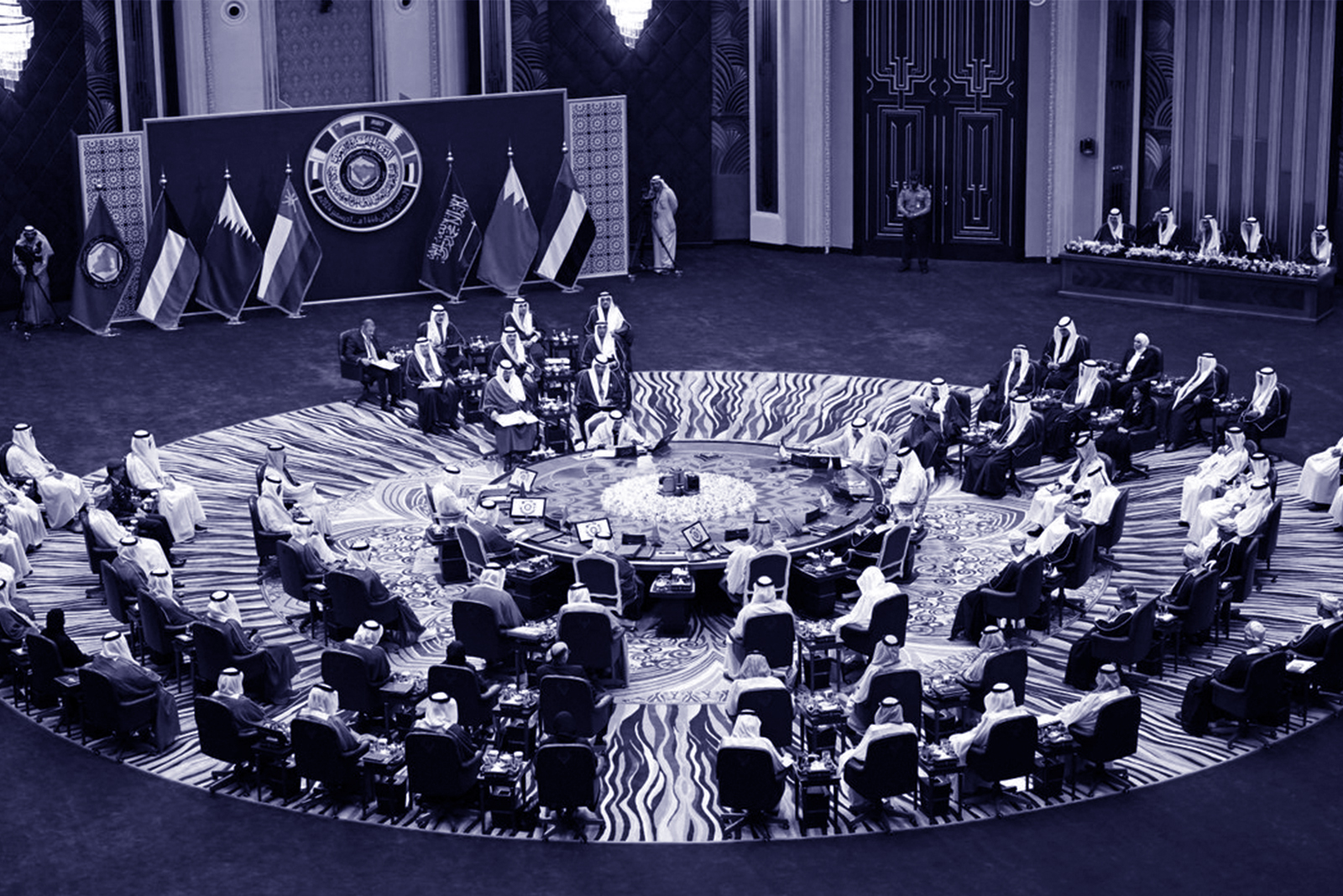
Working Group on Gulf Foreign Policy: Meeting III – Key Takeaways
Fiker Institute’s Working Group on Gulf Foreign Policy held its third meeting and discussed prospects for a negotiated settlement of the crisis.

Fiker Institute’s Working Group on Gulf Foreign Policy held its third meeting and discussed prospects for a negotiated settlement of the crisis.

As the war with Iran is entering its third month, the opportunities for a timely and long-lasting resolution of the conflict remain slim. Even though both the United States (US) and Israel have reduced the scope of their armed attacks in Lebanon and Iran, neither side appears willing to commit to a long-term ceasefire. Moreover, […]

Fiker Institute hosted the Director General of b’huth (Dubai Public Policy Research Centre) Mohammed Baharoon and Associate Professor of Political Science at NYU Abu Dhabi Adam Ramey to discuss what is at stake for Gulf security, shifting alliances, and the broader balance of power.

Fiker Institute hosted the President of the Observer Research Foundation Dr Samir Saran to discuss the wide-ranging economic, energy, and diplomatic implications of the Iran War.

The US and Israel’s strikes against Iran since February 28 mark a pivotal moment in the Gulf’s security architecture. They transformed what had previously been a gradual recalibration of alliances into an immediate strategic dilemma for the GCC states. Iran’s direct attacks targeting Gulf territory and infrastructure exposed the double-edged nature of hosting US military assets, which […]
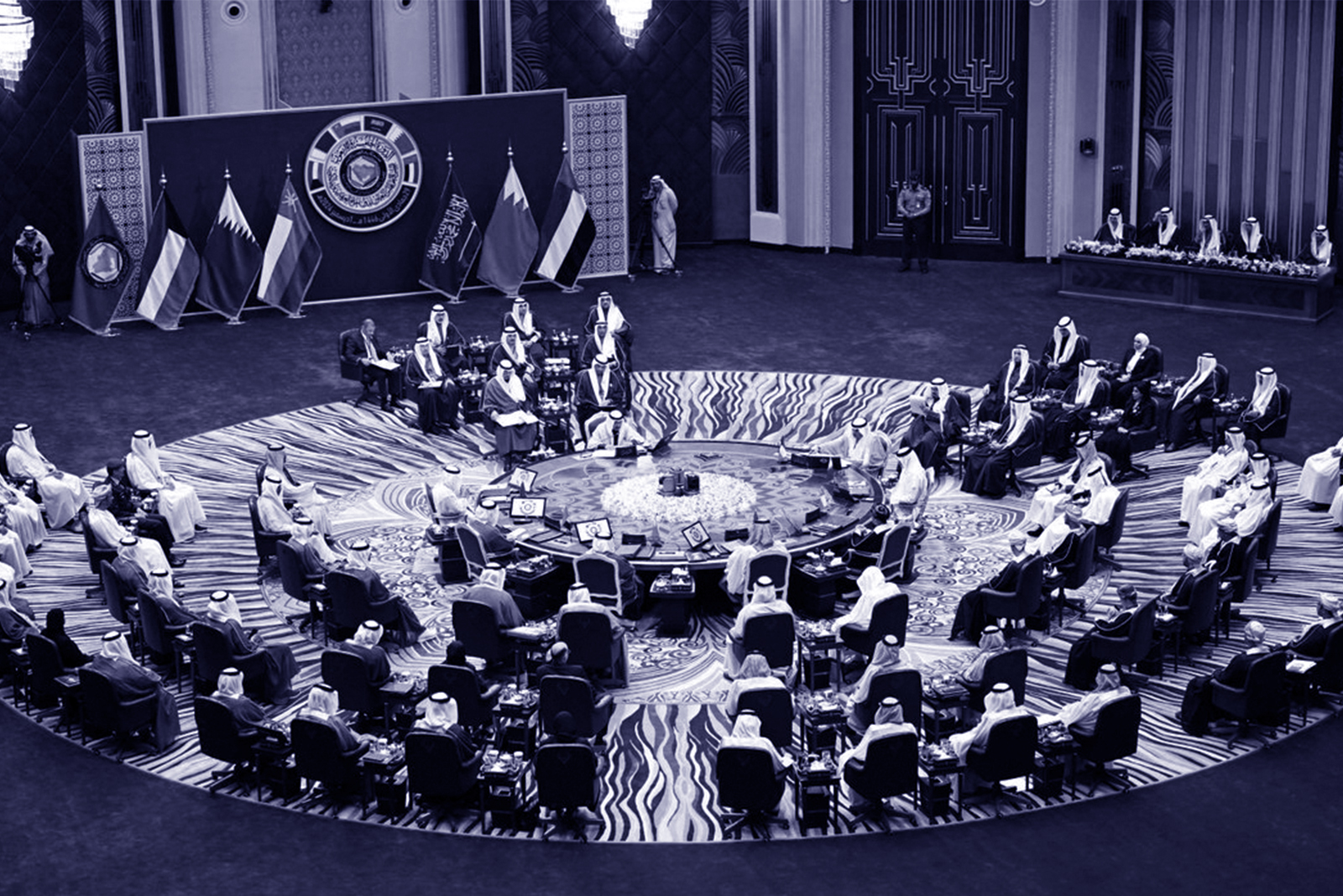
As part of its Al-Khaleej Program, Fiker Institute launched the Working Group on Gulf Foreign Policy in March 2026 in response to the ongoing Iran War. The Group seeks to establish a coordination mechanism that convenes expert voices from the six GCC countries to exchange views on the current developments and the future policy trajectories of the GCC states.